
Supply and fit-out of sandwich panel systems for roofs, facades, walls, and cold rooms, with EPS, PUR/PIR, and rock wool insulation options according to the intended use.
Supply & Fit-OutRoof / Wall / Cold Room
This sector supplies and fits sandwich panels used in roofs, facades, walls, cold rooms, warehouses, hangars, light buildings, and fast-build units. The content of this page is shaped by reviewing catalogs from specialized companies in the same field to understand common product lines and practical specifications.
The core idea of sandwich panels is combining two outer metal sheets with an internal insulation core, giving the panel good rigidity with low weight and improved thermal and acoustic performance. This makes the solution suitable for projects requiring fast installation, a clean industrial appearance, and better insulation than traditional cladding.
We help clients select panel type, insulation thickness, metal sheet type, accessories, and fixing method according to project use: warehouse, cold room, industrial facade, hangar roof, or an operational unit that needs quick installation and future serviceability.
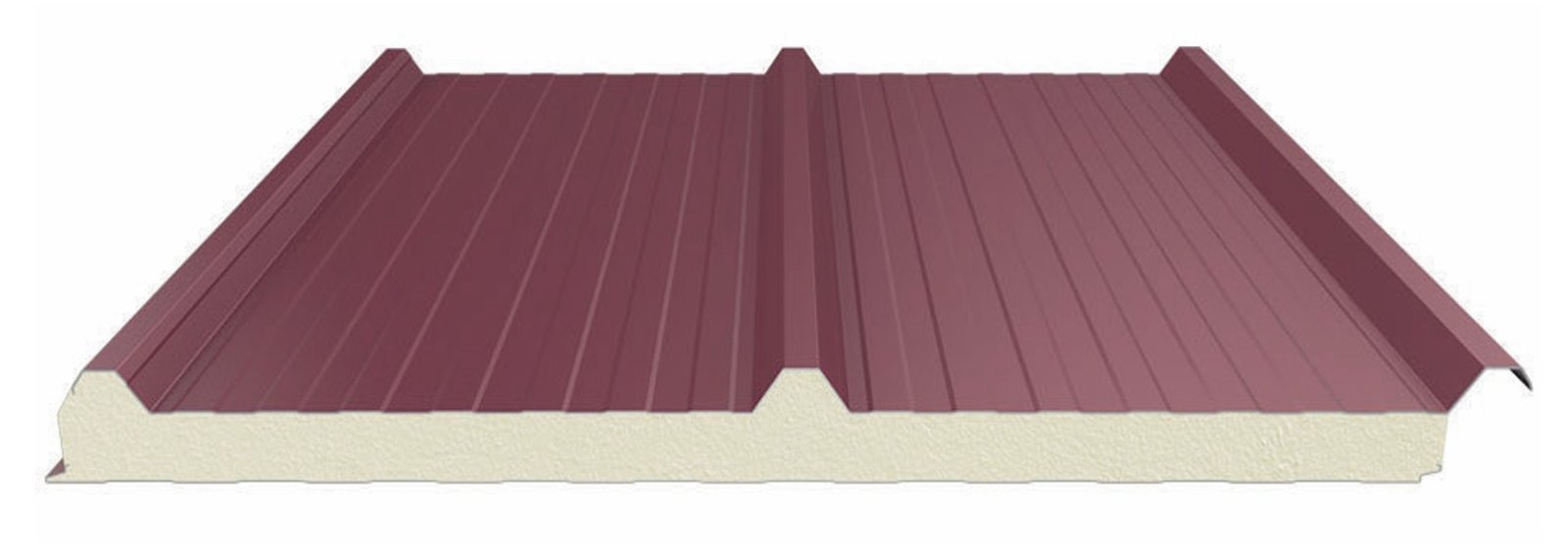
Ribbed roof panels
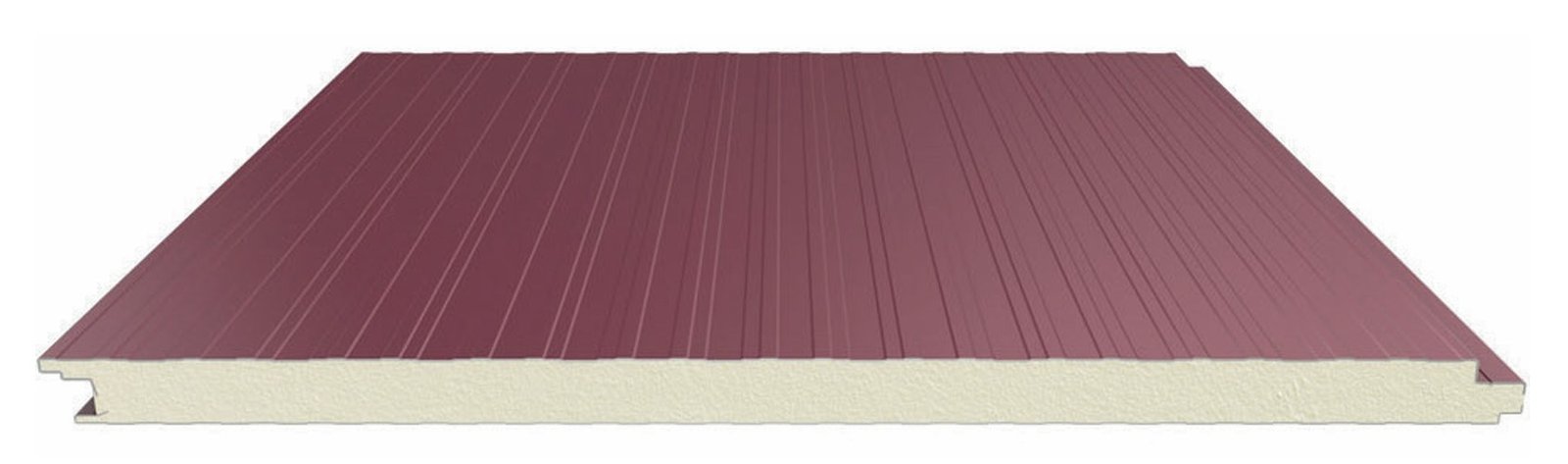
A real image of insulated metal roof panels suitable for hangars, warehouses, and industrial roofing. Wall and facade panels
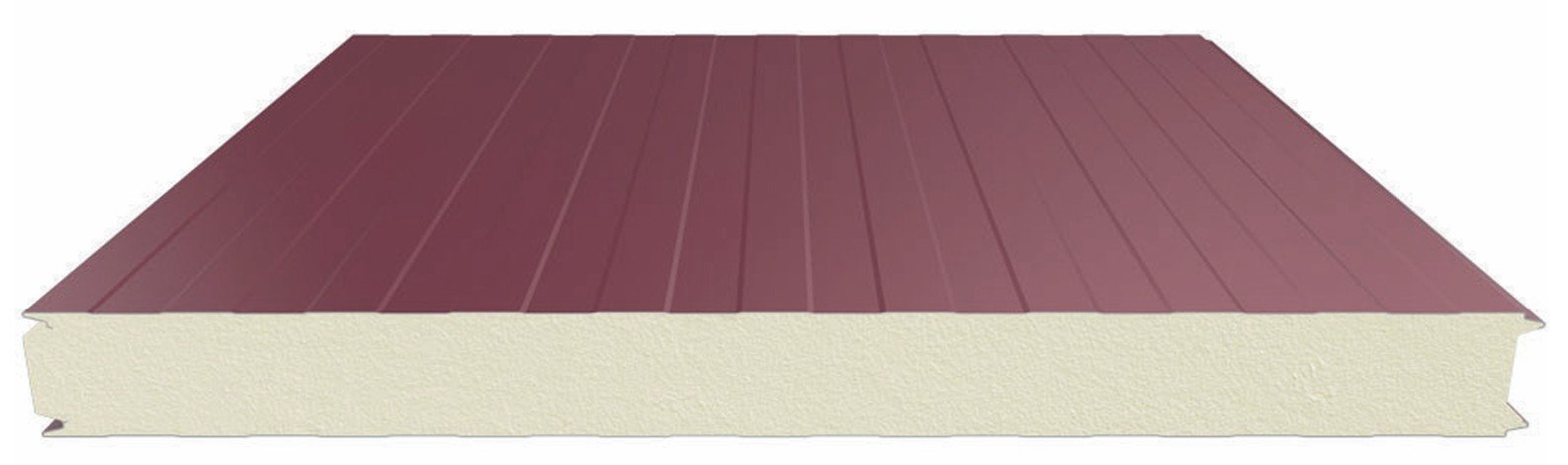
Panels used for wall and facade cladding with a clean industrial finish and fast installation. Cold room panels
Panels designed for cold rooms and temperature-controlled spaces that reduce energy loss. Accessories and installation details
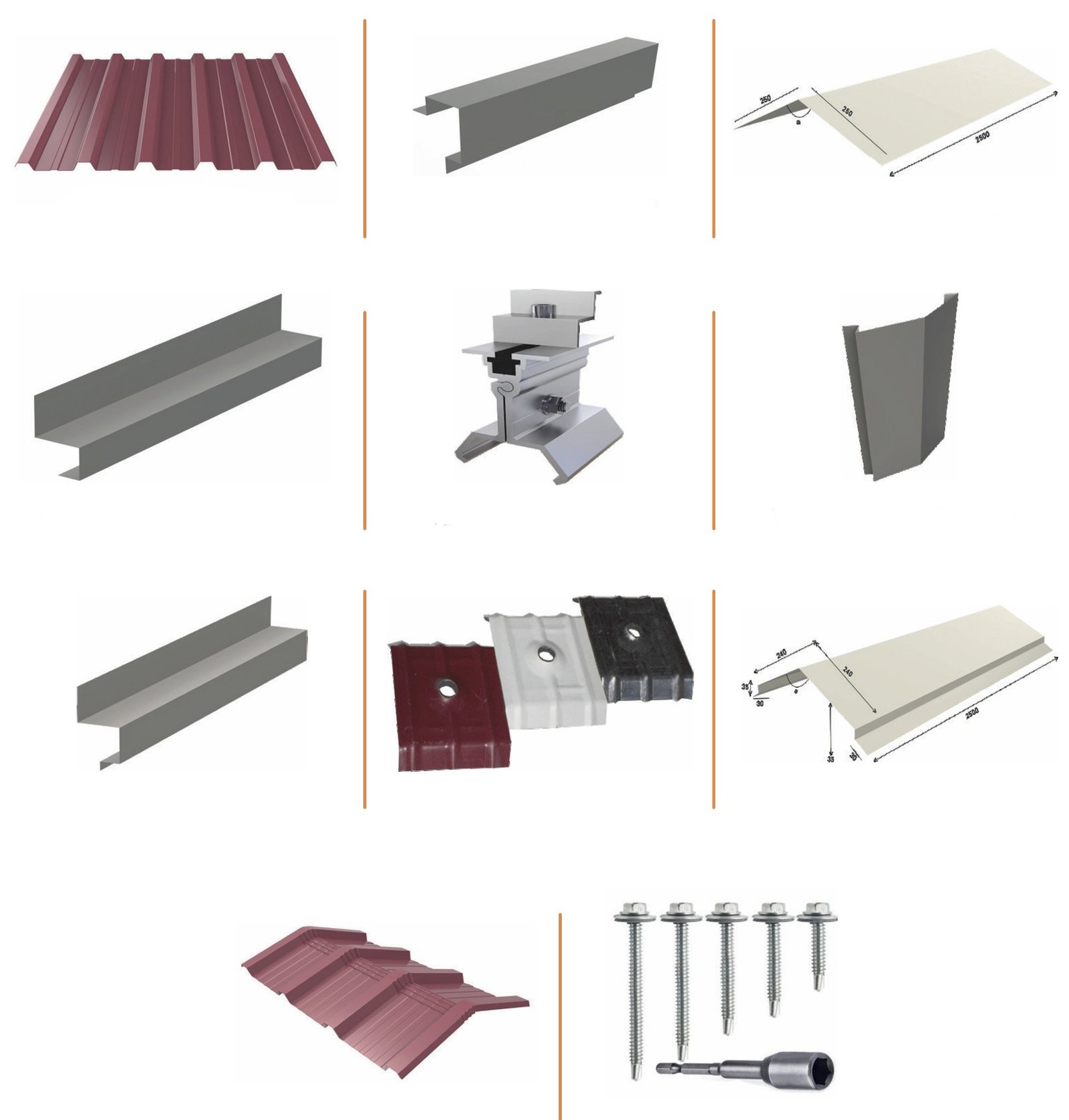
Caps, corners, flashings, and screws that form a critical part of the finished system quality. Rock wool panels
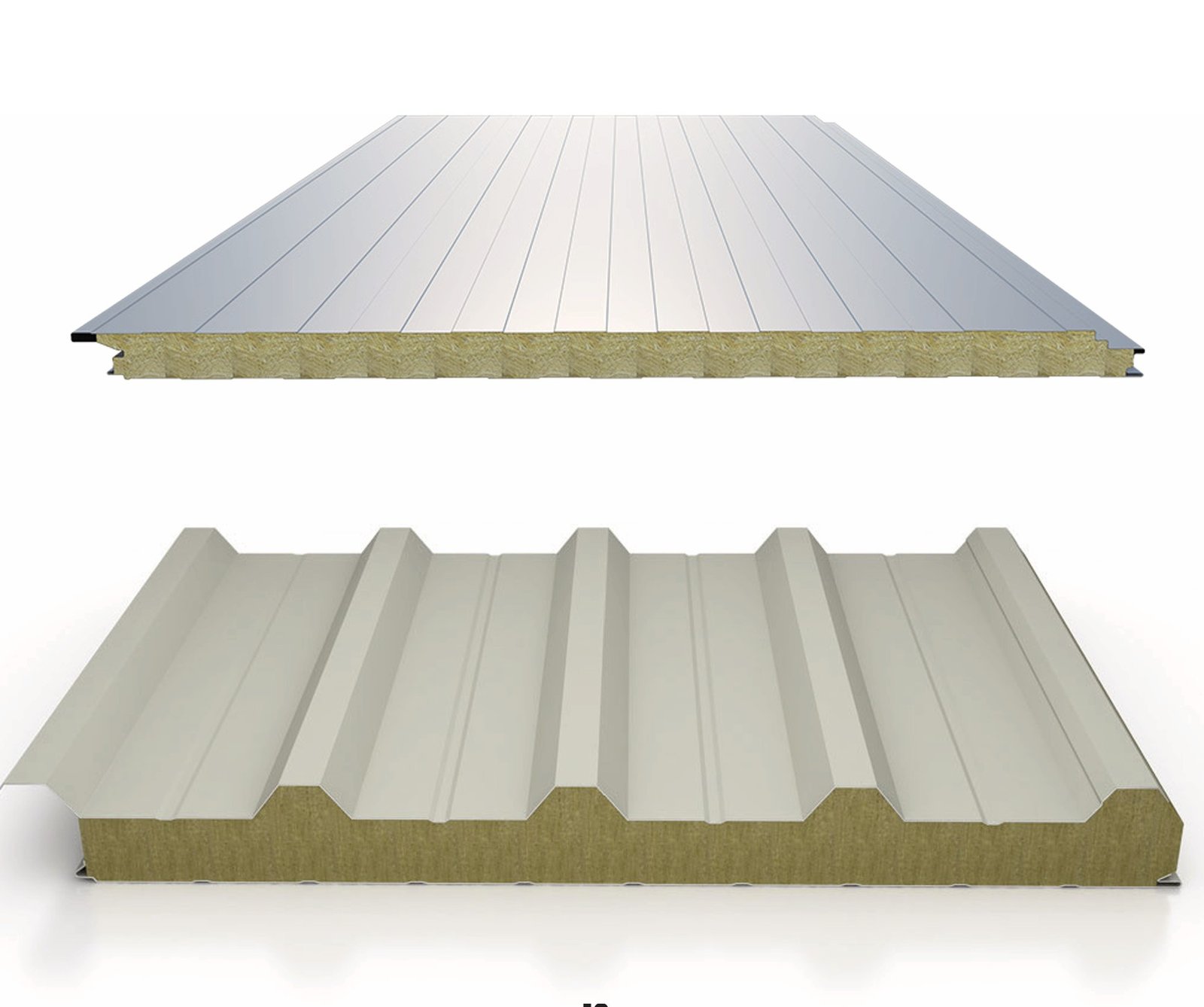
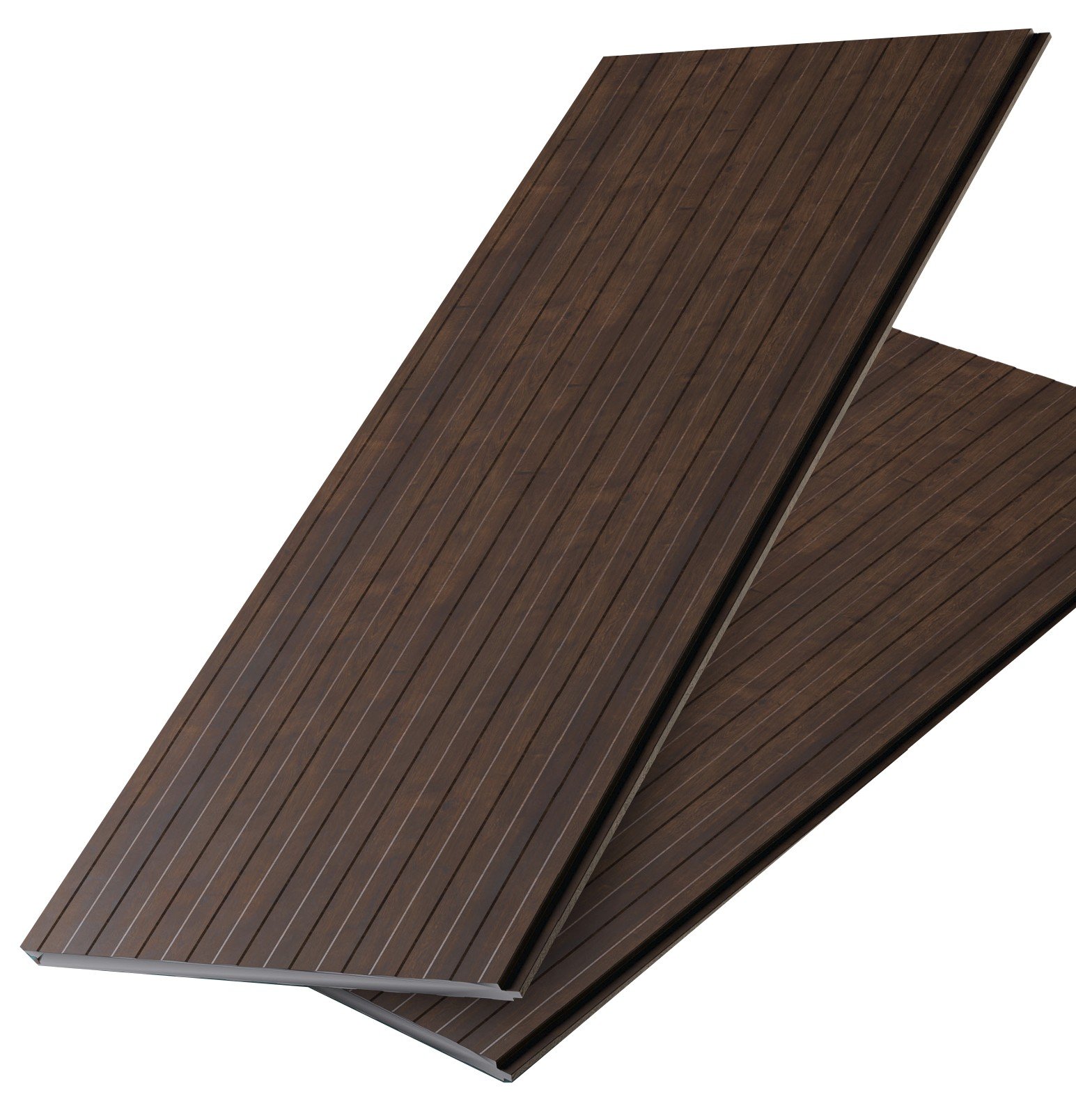
Suitable when the project places higher priority on fire resistance and acoustic performance. Wood-pattern panels
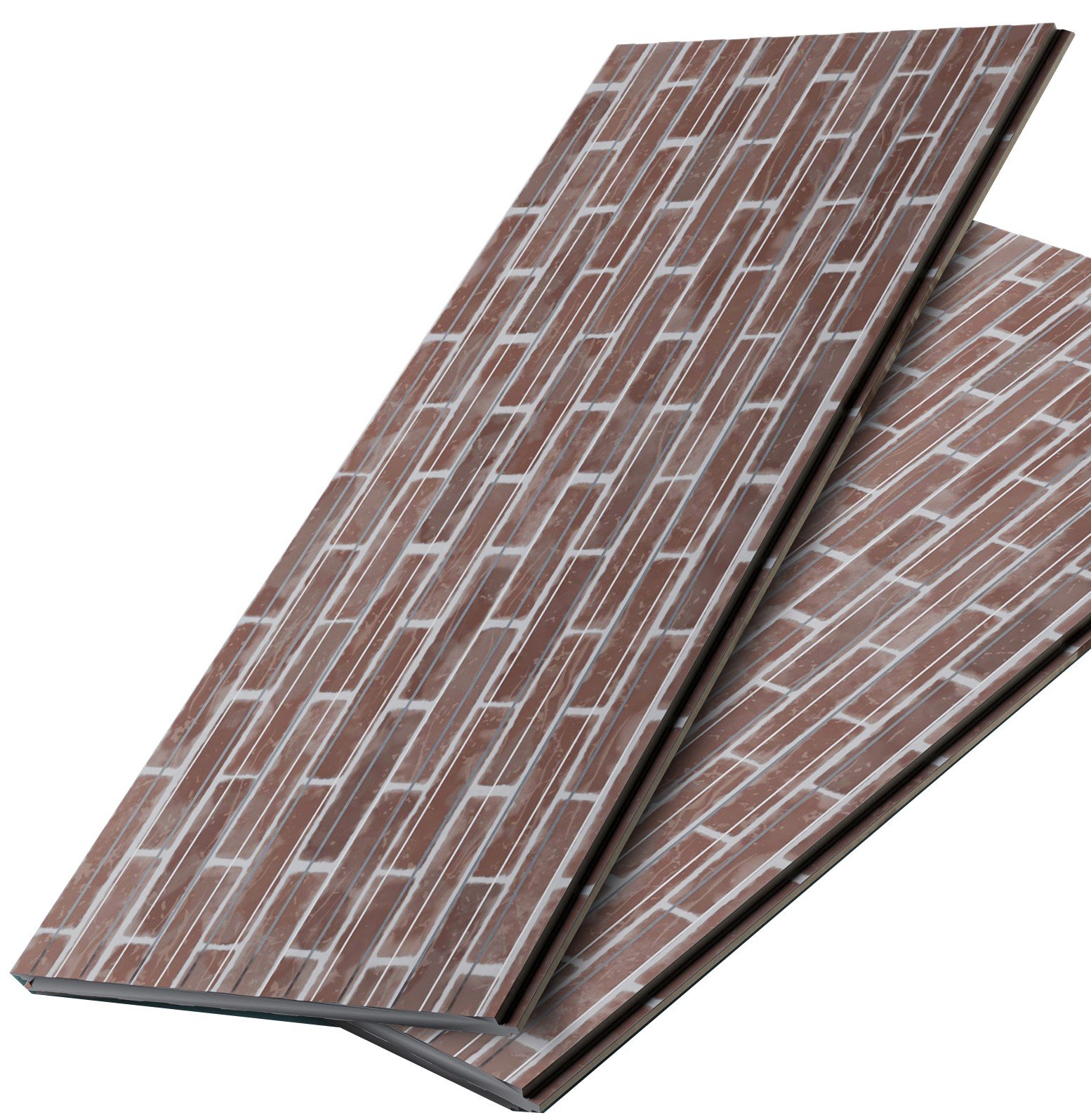
A finish option that gives the facade or unit a warmer appearance while keeping the benefits of insulated panels. Stone-pattern panels
A visual solution for service facades or units that need a look closer to natural stone.
Product and Solution Range
3-rib and 5-rib roof panels
Panels designed for insulated metal roofs, helping water drainage while providing surface rigidity and fast installation on purlins.
Common useful width: 1000 mm
Typical insulation thicknesses from 30 to 100 mm
Painted galvanized sheet or aluminum options according to availability
Facade and wall panels
Used for external and internal wall cladding, with choices between flat, ribbed, or concealed-fixing appearances for a cleaner finish.
Laminated or ribbed facade panels
Wall solutions for warehouses and units
Compatible corner and edge cap details
Cold room panels
Panels with larger insulation thicknesses and tighter joint details for spaces that need temperature control, reduced air leakage, and lower energy loss.
Typical thicknesses from 50 to 150 mm
Suitable for food, medicine, health, and chemicals
Requires careful attention to joints, floors, and doors
Thermal and fire-rated cores
The insulation core is selected by priority: economy and light weight, fire and acoustic performance, or high thermal performance for cold rooms and insulated roofs.
EPS: economical and light
Rock wool: better fire and acoustic behavior
PUR/PIR: high thermal performance with common density around 40 kg/m3
Decorative finish panels
When a softer appearance closer to wood or stone is required, decorative panel finishes can be used for field offices, prefab units, and selected service facades.
Wood and stone appearance options
Suitable for units, service spaces, and light facades
Keeps fast installation with improved visual finish
Panel types we supply
The range includes 3-rib and 5-rib roof panels, facade and wall panels, concealed or capped fixing panels, cold room panels, and decorative options such as wood or stone pattern finishes when available from the manufacturer.
Roof panels for hangars, warehouses, and industrial buildings.
Wall and facade panels for light buildings and fast-build units.
Cold room panels for spaces requiring tight thermal insulation.
Installation accessories including flashings, corners, screws, and caps.
Choosing the insulation: EPS, rock wool, or PUR/PIR
The choice depends on function. EPS is suitable when economy, light weight, and fast installation are the priority. Rock wool is suitable where fire and acoustic behavior are more important. PUR/PIR is typically selected when thermal performance, panel thickness, and energy control are critical, especially in cold rooms.
Installation details and accessories
A sandwich panel system is not complete with panels alone. Accessories control corners, edges, joints, and help reduce water and air leakage. Ridge caps, edge caps, internal and external corners, flashings, and screw types are selected according to building shape, water flow, and wind direction.
Define water movement before selecting roof details.
Use screws and washers suitable for sheet and structure type.
Pay attention to corners and openings because they are common leakage points.
Common specifications extracted from catalogs
Item
Common values
Selection note
Useful width
Often 1000 mm
Depends on joint system and manufacturer.
Minimum length
Around 2.4 m in some systems
Longer lengths depend on transport and handling.
Roof and wall panel thickness
30 / 40 / 50 / 60 / 80 / 100 mm
Selected by insulation need, spans, and budget.
Cold room thickness
50 / 60 / 80 / 100 / 120 / 150 mm
Higher insulation needs generally require greater thickness.
Approx. PUR density
Around 40 ±2 kg/m3
Always confirm in the final quotation.
Metal sheet
Painted galvanized steel or aluminum depending on availability
Common sheet setup in some systems: 0.50 mm top and 0.40 mm bottom.
Usage guide by panel type
Panel type
Best use
What we review before supply
Ribbed roof
Hangars, warehouses, workshops
Slope, purlins, wind and rain direction, transport lengths.
Wall/facade panel
Industrial facades, units, partitions
Fixing, corners, openings, final appearance.
Cold room
Food, medicine, healthcare, chemicals
Temperature, thickness, joints, doors, floor.
Rock wool
Areas needing higher fire and acoustic behavior
Required rating, load, and moisture protection method.
From Request to Delivery
Understand the use
We define whether the project is a roof, facade, cold room, warehouse, or prefab unit.
Select panel and insulation
We compare thickness, core type, sheet type, and fixing method with budget and required performance.
Define accessories
We define flashings, corners, ridge caps, screws, and joint details before ordering.
Supply and fit-out
Coordinate lengths, quantities, and deliveries according to transport, installation, and site sequence.
Highlights
Roof, wall, facade, and cold room panels.
EPS, PUR/PIR, and rock wool insulation options according to use.
Multiple thicknesses commonly starting from 30 mm and reaching 150 mm for cold rooms.
Complete installation accessories: flashings, corners, screws, edge caps, and joints.
Deliverables
Supply of sandwich panels according to required thickness and type.
Recommendation of panel and insulation system for the intended use.
Provision of essential installation accessories according to project details.
Technical support for coordinating lengths, quantities, and fixing method.